Coinsquare Login: A Complete 1200-Word Guide to Accessing Your Account Securely
Accessing your Coinsquare account is the first step in managing your digital assets, tracking your portfolio, and performing trades within one of the most recognized cryptocurrency platforms. Whether you’re signing in from a desktop, tablet, or mobile device, the Coinsquare login process is designed to be smooth, secure, and user-friendly. This guide explains everything you need to know about logging in safely, troubleshooting common issues, and maintaining strong account security practices.
Understanding the Coinsquare Platform
Coinsquare provides users with an environment to buy, sell, trade, and hold digital assets. It is built with a strong focus on compliance and security. The login system reflects that emphasis by requiring users to confirm their identity through a combination of account credentials and protective features like two-factor authentication. Before you log in, it’s useful to understand how your account details, verification status, and security tools all work together to ensure safe access.
Coinsquare’s login environment is also designed for simplicity. The interface isn’t cluttered—your email, password, and optional authentication codes are the primary elements needed to sign in. Once logged in, a dashboard appears where key features, balances, and tools become available.
How the Coinsquare Login Process Works
Accessing the Login Page
The login page is where you enter your account credentials. Coinsquare keeps this layout minimalistic, ensuring quick access whether you’re using a computer or smartphone. You will see designated fields for your email address and password, followed by prompts for additional verification steps if you have set them up.
Entering Your Email and Password
Your email address serves as your primary account identifier. Always use the exact email you used when registering your account. After entering your email, you will input your password. Coinsquare enforces strong password standards, encouraging a mix of characters, numbers, and upper- and lower-case letters.
If you cannot remember your password, you can perform a password reset from the same page. More on that will be covered later in the troubleshooting section.
Completing Two-Factor Authentication (If Enabled)
Two-Factor Authentication (2FA) is an additional security layer that adds verification beyond your email and password. If you activate 2FA through an authentication app, every time you sign in you will need to enter a temporary code generated on your device.
This ensures that even if someone guesses or steals your password, they cannot access your account without that second verification step. Coinsquare strongly encourages enabling 2FA immediately after creating an account.
Accessing Your Main Dashboard
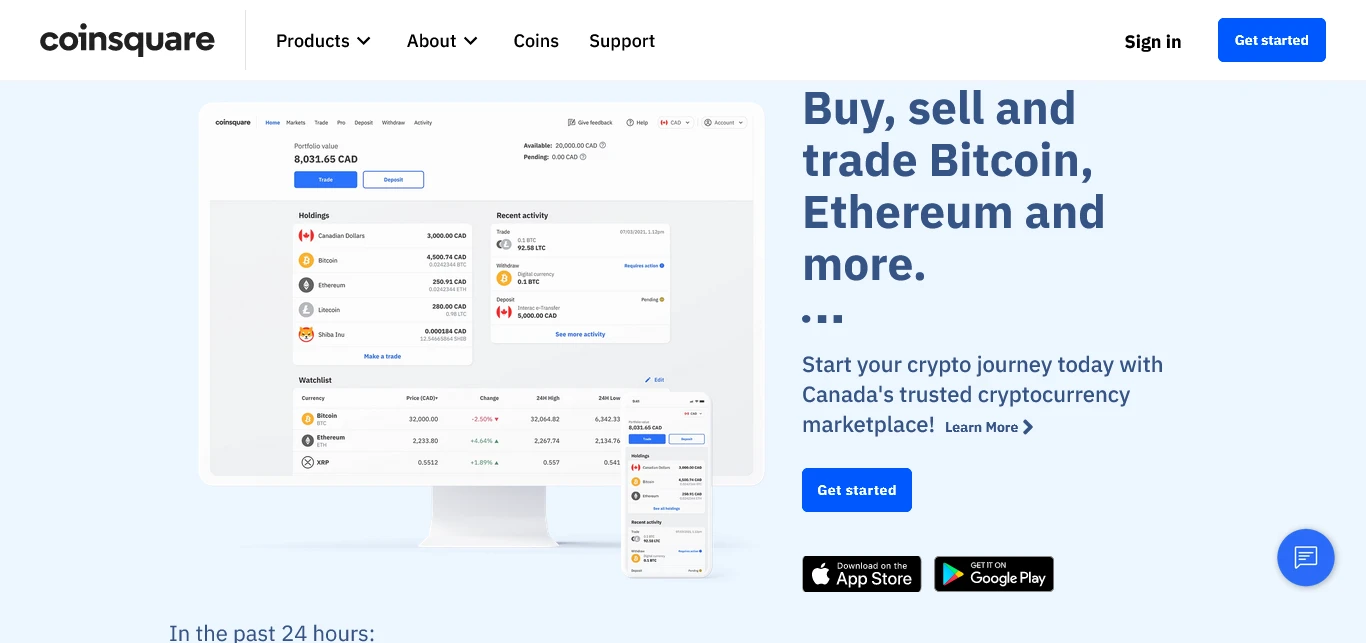
Once your credentials are accepted and authentication completed, you will be directed to your main dashboard. This area includes market charts, your asset balances, your transaction history, and navigation for trading features. Every time you log in, the system may perform background checks to confirm that the device and IP address appear safe.
Troubleshooting Common Login Issues
Even though the login process is straightforward, users occasionally encounter issues. Here are the most common ones and how to address them:
Forgotten Password
Forgetting a password can happen to anyone. If you find yourself unable to recall your login credentials:
Navigate to the password recovery section.
Submit the email address associated with your account.
Follow the instructions sent to your inbox to create a new password.
Make sure your new password is unique and not used anywhere else.
Incorrect Email or Typing Errors
Sometimes login difficulties are simply due to mistyped information. Ensure:
Your email has no extra spaces.
Your keyboard’s caps lock is off when entering your password.
You are using the authorized login page and not a fake or suspicious page.
Two-Factor Authentication Not Working
If your 2FA code is not accepted:
Confirm your authentication app’s time settings are correct.
Sync the clock on your phone if the codes appear out of sync.
Check if a backup code is available for emergency login.
Device or Browser Issues
If your browser is outdated or storing problematic cookies, it might disrupt login attempts. Try:
Clearing your browser cache.
Switching to a different device.
Updating your browser to the latest version.
Locked Account
If you enter the wrong details too many times, your account may temporarily lock for protection. Allow the temporary security window to pass and try again later. For persistent issues, you may need to verify your identity through the support process.
Best Practices for Secure Coinsquare Login
Logging in safely is about more than typing your password. To reduce risks, consider adopting the following practices:
Use a Strong, Unique Password
Your password should not be predictable or reused from another website. Mixing characters and symbols adds complexity that makes it harder for unauthorized individuals to crack.
Enable Two-Factor Authentication
This is one of the strongest defenses you can enable. Even if your password is stolen, 2FA prevents intruders from gaining access.
Avoid Logging in on Shared Devices
Public or shared computers may store login information or expose you to keyloggers. Always use your personal device when accessing financial platforms.
Monitor Login Alerts
Coinsquare may send notifications about new logins or security alerts. Review them immediately to ensure the activity was genuinely yours.
Keep Software Updated
Using current versions of browsers and apps helps protect your device from vulnerabilities that could compromise your account.
Log Out After Each Session
Especially when using mobile or web browsers, make sure to sign out properly after you finish trading. Leaving your account open increases risks if someone else gains access to your device.
Understanding the Security Features Behind Coinsquare Login
Coinsquare integrates several layers of protection beyond just passwords and authentication apps. These include:
Anti-Phishing Measures
The platform continually monitors login sources, suspicious behaviors, and device fingerprints to detect unusual activity. When something appears odd, it may trigger additional verification steps or temporarily lock the account for safety.
Encryption Standards
All information transmitted during login is encrypted. This helps prevent external interception of your credentials during sign-in.
Device Recognition
Coinsquare keeps track of devices used for login. If an unfamiliar device attempts to log in, you might be prompted to confirm that the attempt is legitimate.
Automatic Logout Timers
If your session is inactive for a set period, the system may log you out automatically. This reduces the chance of unauthorized access if your device is left unattended.
Tips for a Smooth Login Experience Every Time
To ensure your login routine is consistently fast and problem-free:
Bookmark the correct login page so you don’t end up on phishing sites.
Keep your authentication device accessible.
Store your backup codes in a secure, offline location.
Avoid saving passwords in browsers unless you trust the security of the device.
Final Thoughts
The Coinsquare login process is designed around user safety, simplicity, and accessibility. Understanding how the login steps work, keeping your credentials secure, and knowing how to troubleshoot issues ensures you can always access your account confidently. Whether you’re checking your balance, placing trades, or reviewing your transaction history, logging in is the gateway to managing your digital assets responsibly.