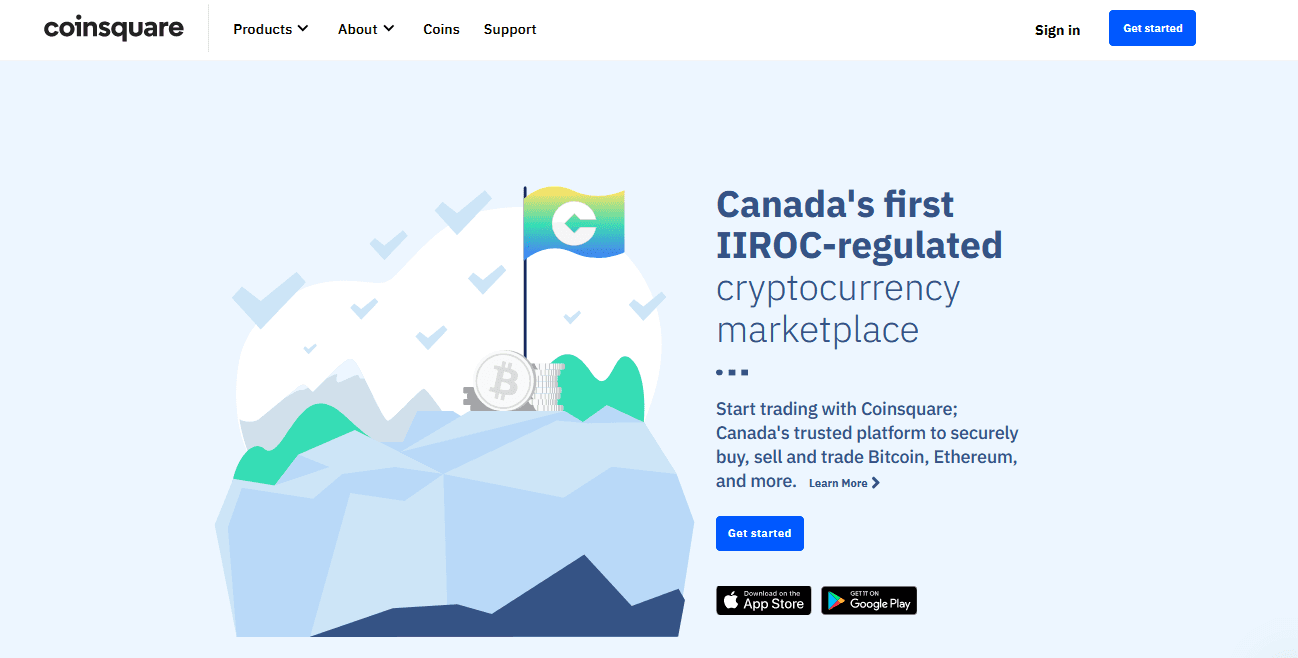
Coinsquare Login: A Comprehensive 1200-Word Guide to Safe Account Access
Logging into your Coinsquare account is the essential first step toward managing your digital assets, performing trades, reviewing market movements, and monitoring your portfolio with confidence. As a platform focused on cryptocurrencies and digital wealth management, Coinsquare places tremendous importance on ensuring that every user’s login experience is both smooth and highly secure. This updated guide explores the entire login process in detail—how it works, what to expect, how to troubleshoot issues, and the best practices for keeping your account safe during every session.
Understanding the Purpose of the Coinsquare Login System
Coinsquare’s login process acts as the protective entry point to your financial information and crypto holdings. Because the platform handles sensitive financial data, it uses a combination of account credentials, identity verification features, and protective measures such as two-factor authentication. Every login attempt goes through several behind-the-scenes layers of security to confirm that the user accessing the account is authorized.
Beyond just providing access, the login system helps users maintain control over their activity. Once signed in, you gain access to tools for trading, account settings, market charts, asset lists, transaction histories, and security preferences. Understanding how to log in correctly ensures you can navigate Coinsquare efficiently while protecting your digital investments.
Step-by-Step Breakdown of the Coinsquare Login Process
1. Opening the Login Interface
Whether you’re using a computer, tablet, or mobile device, the Coinsquare login interface is intentionally simple and uncluttered. The page typically contains fields for your email address, password, and interactive prompts for additional verification steps if enabled. The minimal design ensures that users of all experience levels can access their accounts with ease.
2. Entering Your Registered Email
Your email address functions as the unique identifier for your Coinsquare account. When logging in, you must enter the exact email you used during registration. Any spelling errors, misplaced characters, or additional spaces can cause login attempts to fail. Always double-check your email address before proceeding to the next step.
3. Typing in Your Password
Next, you enter your password. For security reasons, Coinsquare encourages strong passwords that include combinations of numbers, letters, and symbols. This helps ensure your account is difficult to breach. When typing your password:
Make sure caps lock isn’t unintentionally enabled.
Confirm you’re typing on the correct keyboard layout.
Avoid entering passwords on public or shared devices.
If you cannot recall your password, you can use the recovery option, which lets you reset it using your email account.
4. Completing Two-Factor Authentication (2FA)
If you have enabled two-factor authentication, you will be prompted to enter a temporary one-time code generated by your authentication app. This code typically refreshes every 30 seconds. The point of 2FA is to ensure that even if the wrong person knows your password, they still cannot gain access without this second verification step.
This is one of the most effective security measures available, and it is strongly recommended for all users.
5. Accessing Your Account Dashboard
After successfully completing the login steps, you will arrive at your Coinsquare dashboard. This is your central hub, where you’ll see your crypto holdings, trading tools, market overviews, and personal settings. Every login session is monitored internally for unusual behavior or suspicious patterns to keep accounts safe.
Troubleshooting Coinsquare Login Problems
Even with a simple login process, issues can still occur. Below are common problems and solutions.
1. Forgotten Password
One of the most common problems is forgetting your password. If this happens:
Follow the password recovery process.
Verify your email.
Create a new password following the platform’s guidelines.
Be sure to choose a password you haven’t used on other services.
2. Email Not Recognized
If the system doesn’t recognize your email:
Make sure you’re using the correct account email.
Look for typos or missing characters.
Ensure you originally registered using that email.
If you have multiple email accounts, double-check which one belongs to your Coinsquare profile.
3. Two-Factor Authentication Failures
2FA codes may occasionally fail due to:
Incorrect device time settings.
Out-of-sync authentication apps.
Using an expired or previously generated code.
Try syncing your phone’s clock or restarting your authentication app. Backup codes can also be used if provided during setup.
4. Browser-Related Issues
Sometimes the browser itself creates login obstacles. These can include outdated software, problematic cookies, or conflicting extensions. Solutions include:
Clearing your browser’s cache.
Updating your browser.
Trying a different, secure browser.
5. Locked Account Due to Incorrect Attempts
If you repeatedly enter the wrong password or authentication code, the system may temporarily lock your account for security reasons. This prevents unauthorized access attempts. Wait for the temporary lock to expire before logging in again.
Security Tips for a Safe Coinsquare Login Experience
Because cryptocurrency accounts can be targets for cyber threats, maintaining strong login security is crucial. The following safety practices will help protect your Coinsquare account:
1. Create a Strong and Unique Password
Avoid using passwords based on birthdays, names, or common words. Choose a long password with symbols, numbers, and varied characters. Never reuse passwords from other platforms.
2. Always Use Two-Factor Authentication
2FA is a must. It adds a completely separate layer of protection that dramatically reduces account breach risks.
3. Avoid Public Wi-Fi for Logging In
Public Wi-Fi networks can be risky because they may expose your information. If you must use them, refrain from logging into financial platforms.
4. Monitor Email Alerts
Coinsquare may send notifications for new device logins or suspicious access. Always read these alerts carefully.
5. Don’t Save Passwords on Shared Devices
Saving login information on shared computers can expose your account to others. Always use private devices for financial platforms.
6. Log Out After Use
Leaving your session open can create unnecessary risks, especially if your device is shared or misplaced.
Coinsquare’s Behind-the-Scenes Login Security Features
To further protect users, Coinsquare incorporates several layers of security that operate automatically.
1. Session Monitoring
The platform tracks login times, device types, and IP addresses. If something appears out of the ordinary, it may request additional verification.
2. Encrypted Data Transmission
Your login information is encrypted during transmission, meaning third parties cannot intercept or decode your credentials.
3. Device Recognition Technology
If a login attempt comes from a new device, Coinsquare may prompt you to confirm the activity before granting access.
4. Automatic Session Timeouts
Inactive sessions automatically close after a period of time, reducing the chance of unauthorized access.
Ensuring a Smooth Login Every Time
To make your login process quick and hassle-free:
Bookmark the official login page.
Keep your authentication device handy.
Store backup codes securely.
Update your browser and device software regularly.
Avoid suspicious websites or apps claiming to represent Coinsquare.
Final Thoughts
The Coinsquare login process is built with a balance of simplicity and high-level protection. Understanding how each step works—and following security best practices—ensures you can access your account confidently and safely. Whether you’re executing trades, viewing charts, or managing multiple digital assets, everything begins with a secure login.